
Lullabar vs sleep earbuds
A Better Way toSleep With Sound
Sleep earbuds promise bedtime audio, but they still sit inside your ear. Here is how Lullabar takes a different approach.
Try It Tonight30-Night Trial · Free Shipping
Lullabar compared with Sleep Earbuds
| Category | 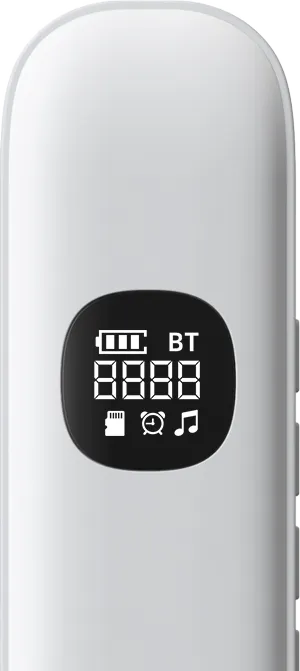 | Sleep Earbuds |
|---|---|---|
| Side-sleeper comfort | LullabarNo ear contact (better) | Sleep EarbudsIn-ear pressure |
| Battery life | Lullabar10+ hours (better) | Sleep Earbuds~6 hours |
| Price | LullabarOne-time purchase (better) | Sleep Earbuds$200-$300 |
| Partner disturbance | LullabarNone (pillow only) | Sleep EarbudsNone (in-ear) |
| Noise masking | LullabarSound blanket | Sleep EarbudsActive masking (better) |
| App ecosystem | LullabarUse any app | Sleep EarbudsProprietary app |
Lullabar wins on comfort, battery, and price. Sleep earbuds win on noise masking.
Who makes Lullabar
Every support email is read and answered by the people behind Slumbabe, usually within one business day. Our story
The Full Comparison
Side-Sleeper Comfort
The most important factor for anyone who does not sleep on their back.
Zero ear contact
Sits under your pillow at 11mm thin. You do not feel it, even when turning.
Reduced, not eliminated
Smaller than regular earbuds, but still inside your ear canal. Pressure builds over hours.
Battery Life
Nobody wants to charge a sleep device every single night.
10+ hours per charge
Use the built-in timer and get multiple nights from one charge.
~6 hours per charge
Enough for one night, but needs the case every morning. Forget to charge? No sound tonight.
Price
What it costs to start sleeping better.
One-time purchase
Free shipping, no subscription required.
$200-$300
Premium pricing. Some models require a subscription for full sound library access.
Noise Masking
How well it blocks unwanted sounds.
Sound blanket approach
Creates a personal sound zone through your pillow. Muffles environmental noise naturally.
Active noise masking
Sealed ear canal plus digital masking algorithms. More effective for loud environments.
Audio Flexibility
What you can actually listen to.
Any app via Bluetooth 5.4
Spotify, podcasts, Calm, audiobooks. If it streams audio, it works.
Limited to proprietary app
Most sleep earbuds lock you into their own sound library. Some allow Bluetooth streaming, some do not.
Where Each One Wins
Sleep Earbuds: the honest case
- Better at blocking loud, sudden noises (snoring, traffic)
- Sealed ear canal provides stronger isolation
- Dedicated sleep-tracking features in some models
- Alarm that only you can hear (vibration wake)
Where Lullabar wins
- No ear contact at all. Zero discomfort for side sleepers
- 10+ hour battery means less daily charging
- One purchase, then nothing. No subscription for the sound library, no replacement tips
- Works with any Bluetooth audio app, no proprietary lock-in
- 11 built-in sounds plus any streaming content
- Try it for a full month before you commit
Test it on your own pillow
Every Lullabar ships with a 30-night trial, because your own bed is the only real test. If it is not for you, send it back for a refund. You cover the return postage; we cover everything else.
30-Night Trial · Free Shipping
Common Questions
Let your own bed decide
30 nights in your own bed. If it is not for you, return it for a refund.
30-Night Trial · Free Shipping · 1-Year Warranty